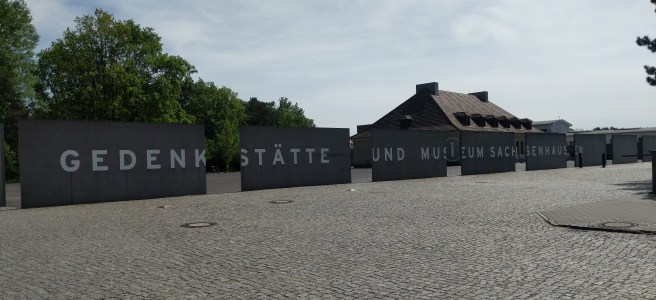
I have been dreading the moment of writing about my visit to Sachsenhausen Concentration Camp. So perhaps I shall do it ploddingly, asking myself questions along the way.
How did I get here? Well initially my intention was to travel across Germany and go to Auschwitz, but with my tendency to micro-plan (on a tight budget), the idea started becoming daunting. I was suddenly also getting cold-feet, the cold and dreary vision I conjured of Krakow and the camps were making me very hesitant.
Auschwitz was out, but I had to visit a concentration camp. In my head, I simply cannot imagine being in a country or continent whose history is defined (for me) by the war, the Holocaust and struggles of human free-will and not visit the places where some very brave and many innocent people perished. Human depravity, I believe, has to be confronted and recognised, and where else would one do that but in Germany, which has stood up so resolutely to confront its past.
Why Sachsenhausen? I almost went to Ravensbruck but I again my budget, the limited time and trying to figure out routes etc. was getting too much for me. So I decided that Sachsenhausen made the most sense. It’s within Berlin city limits (probably it’s outermost tier as it does need a special “C” marked ticket, just like Potsdam), so I could dedicate an entire day to this while staying in Berlin.
On a brilliant morning in May 2019, I set off on the S-Bahn towards the camp. I can’t remember much of the train ride, except perhaps there was a station called Wannsee, and it reminded me of an English town called Swansea. I was also thinking as I sat in the train, of how pretty the countryside was, and how it must have been for a Berlin Jew to have been on a similar train-ride, perhaps this person looked out (if possible) and saw the same landscape that I was looking at, only with a different outcome to this journey? Were these the same train tracks that led towards the town of Oranienburg?
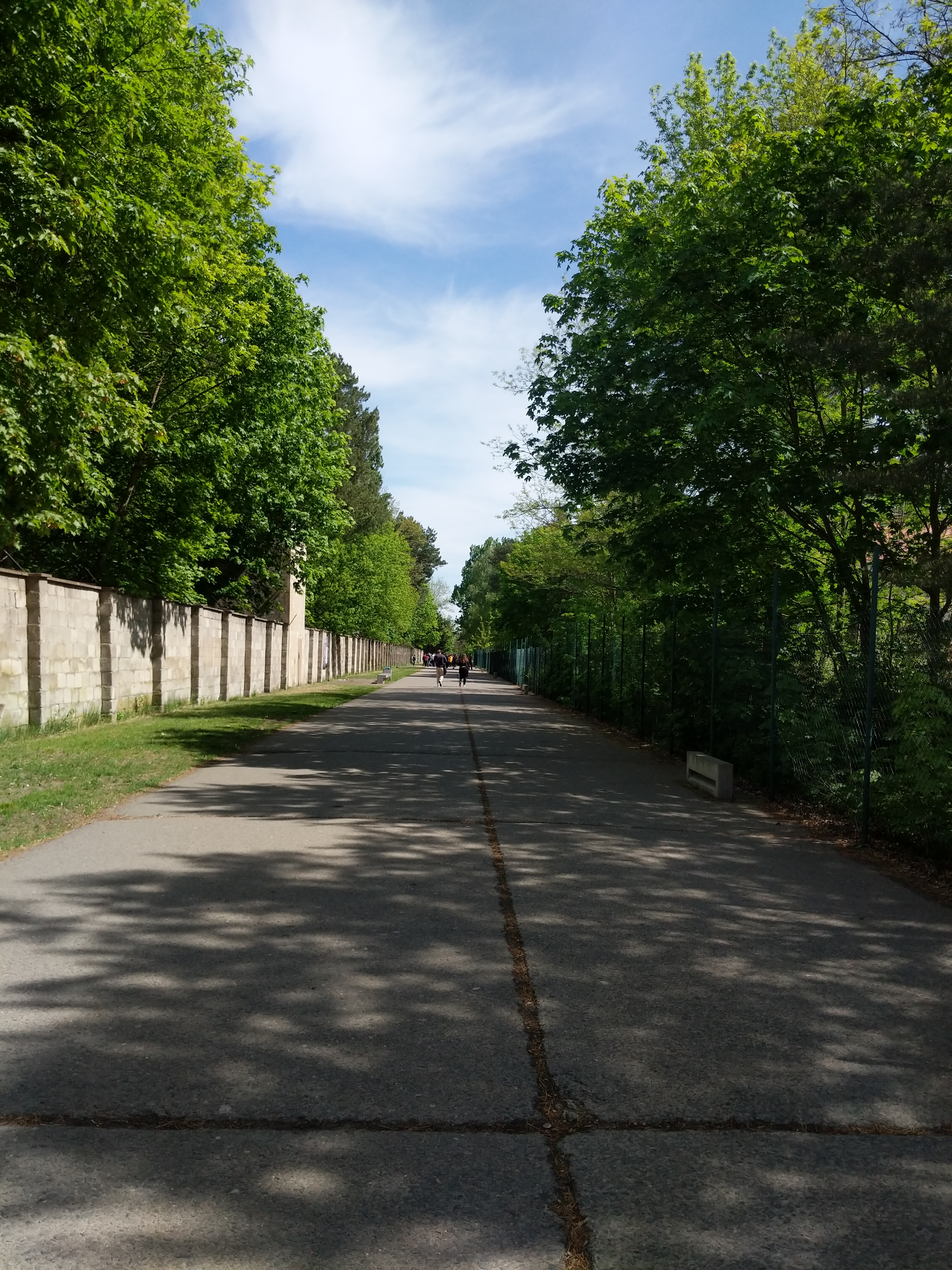
How did we get here? No, I can never quite answer that. Much much better minds have tried and grasped at some or none of the reasons. Even now, when I see these photographs, I am in deep sadness. Always I imagine myself in the shoes of the prisoners, when they first walked through these gates with the horrific words “Arbeit Macht Frei” [‘work sets us free’]. How is it that these geometrically straight paths, the symmetry and deliberate planning hide such a squalid mess of humanity, or did these symbols of order actually delude the Nazis into thinking that they were just managing for efficiency, optimising a service at these camps?
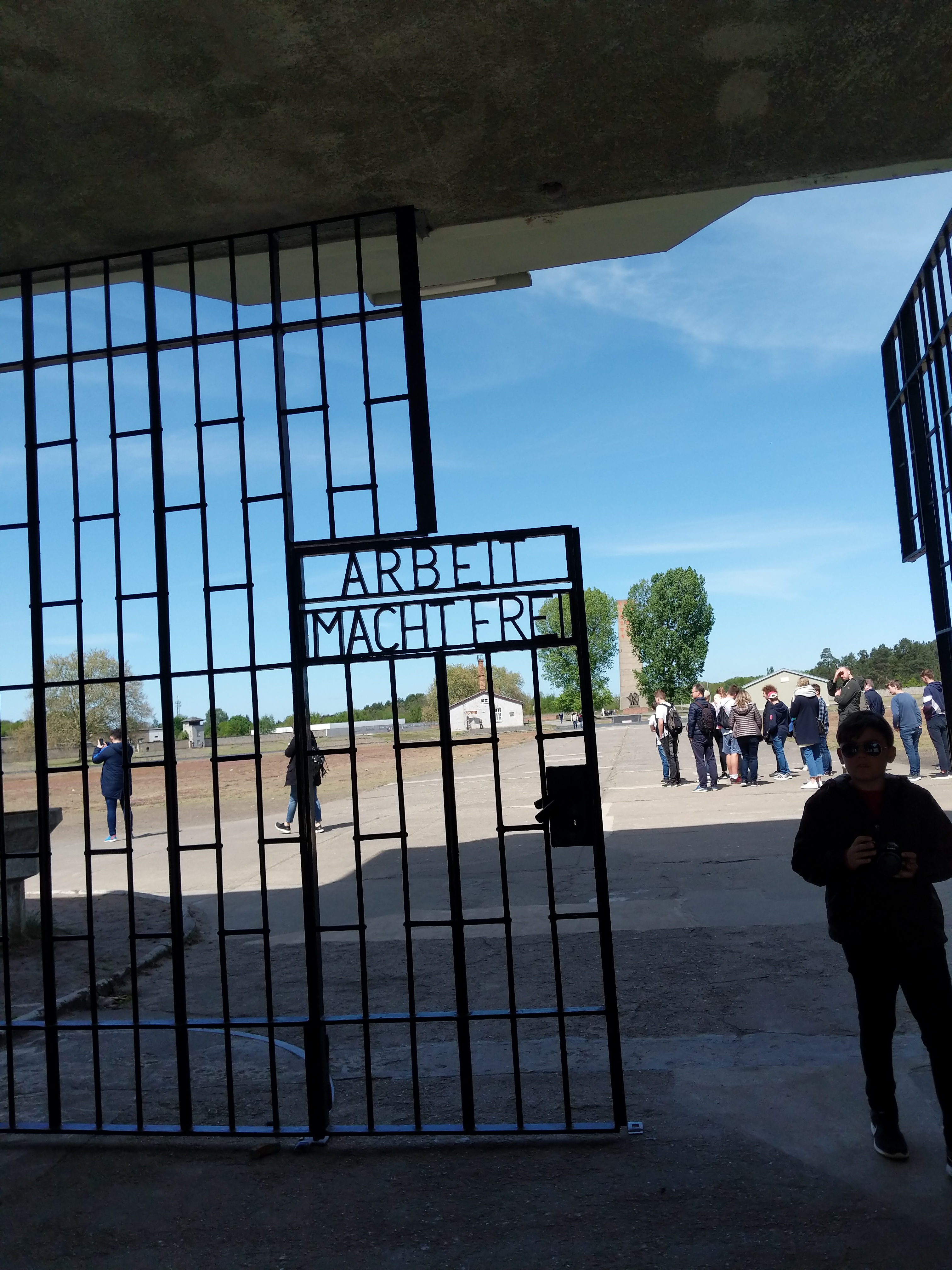
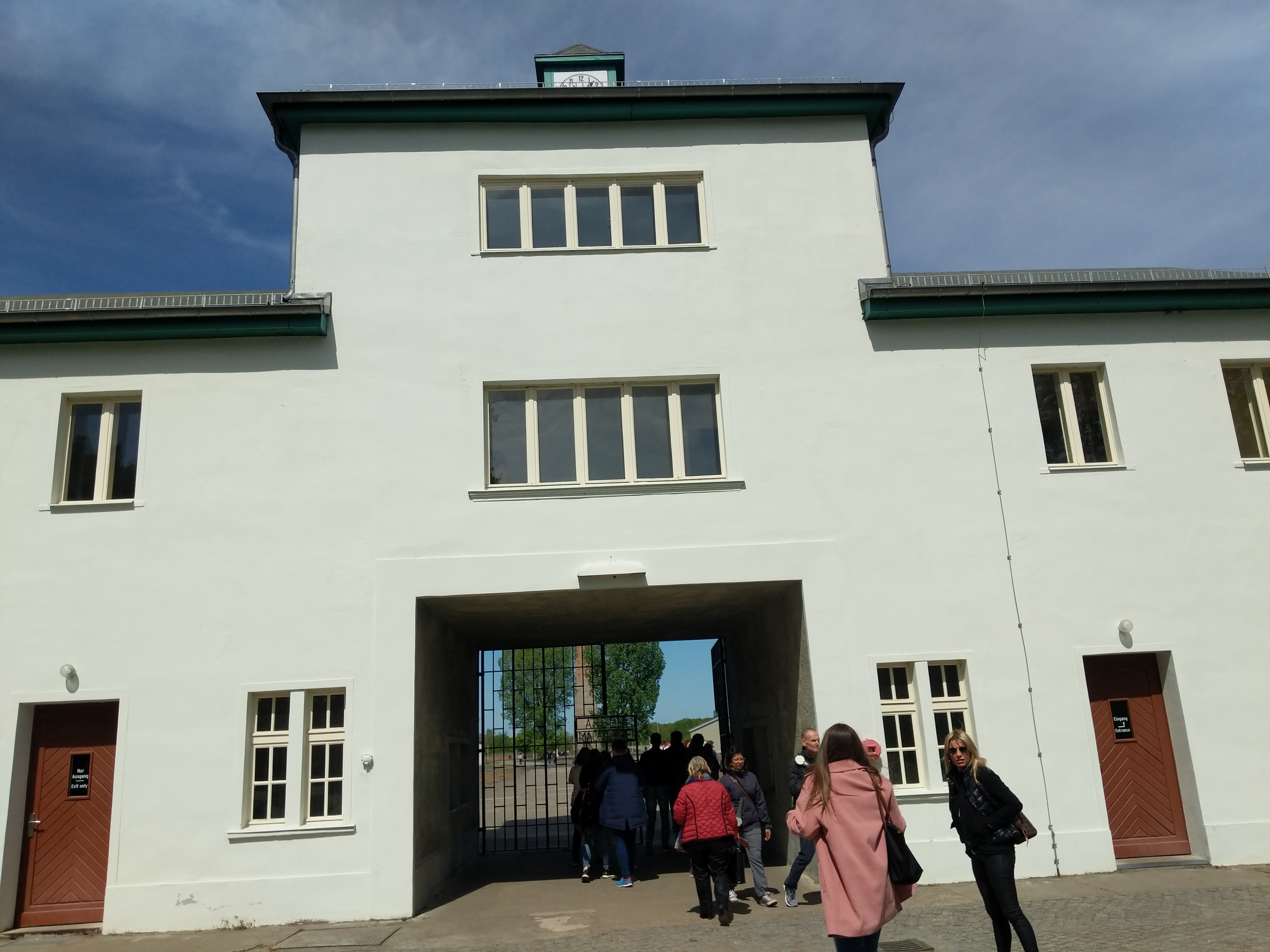
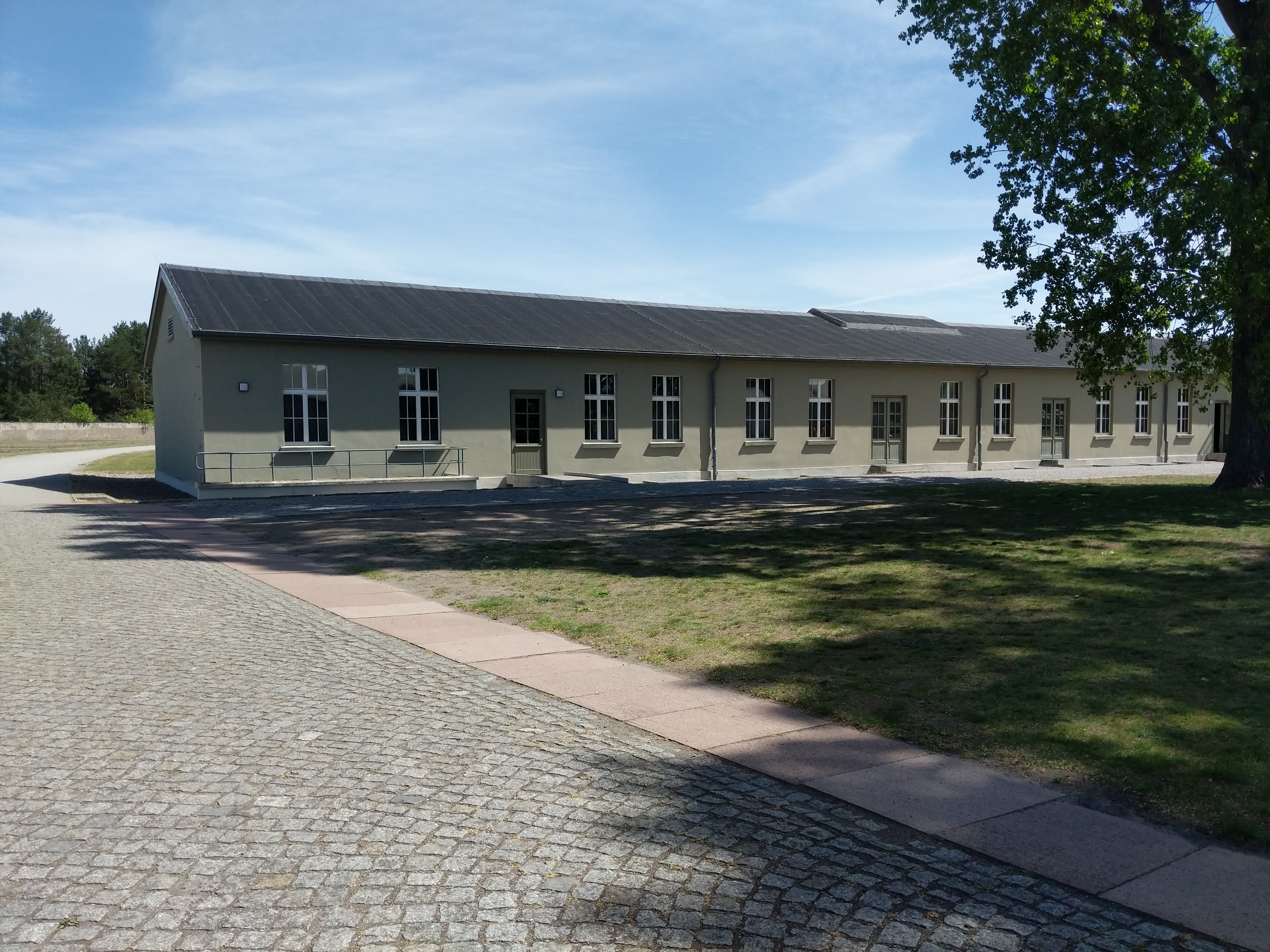
It is to the credit of the various memorial foundations that fund these camps that today we are given access to these historical places, places where people suffered and died. We have been given, almost like a second life, the opportunity to contemplate the ruins and to look at the same view that a prisoner sentenced to death by hanging had. If I were to bring in Tibetan beliefs of past life, I may even be here because I had a connection with the place in a previous birth. [hmmm…past life is not my thing, but it’s a good way to begin to learn empathy].
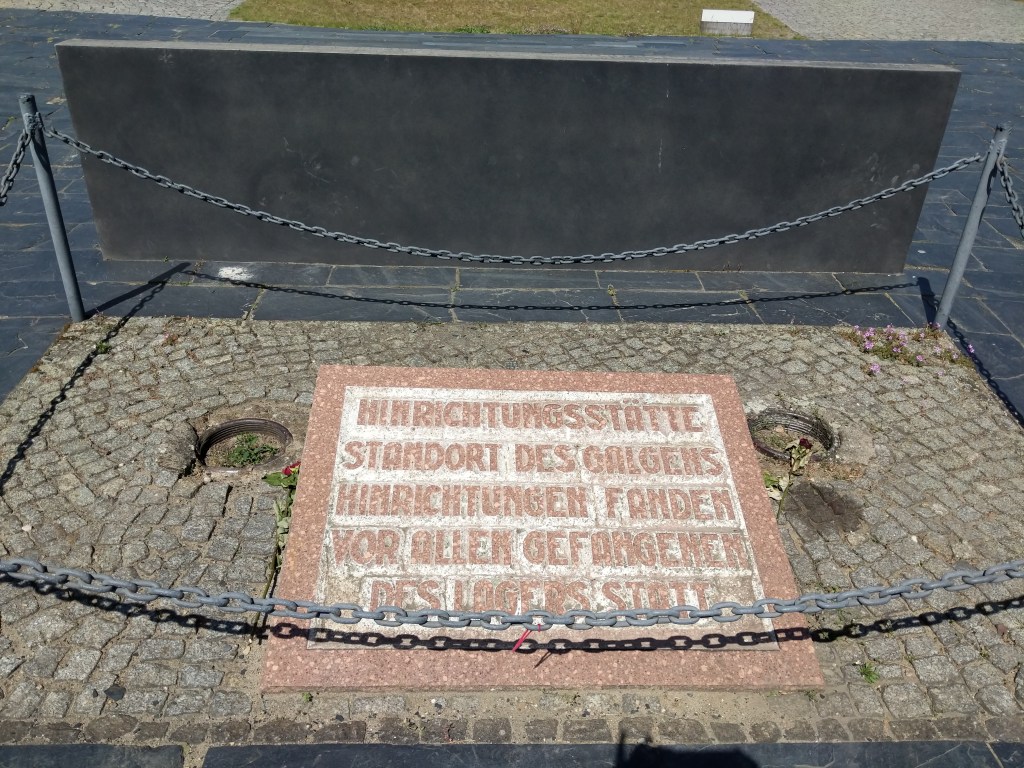
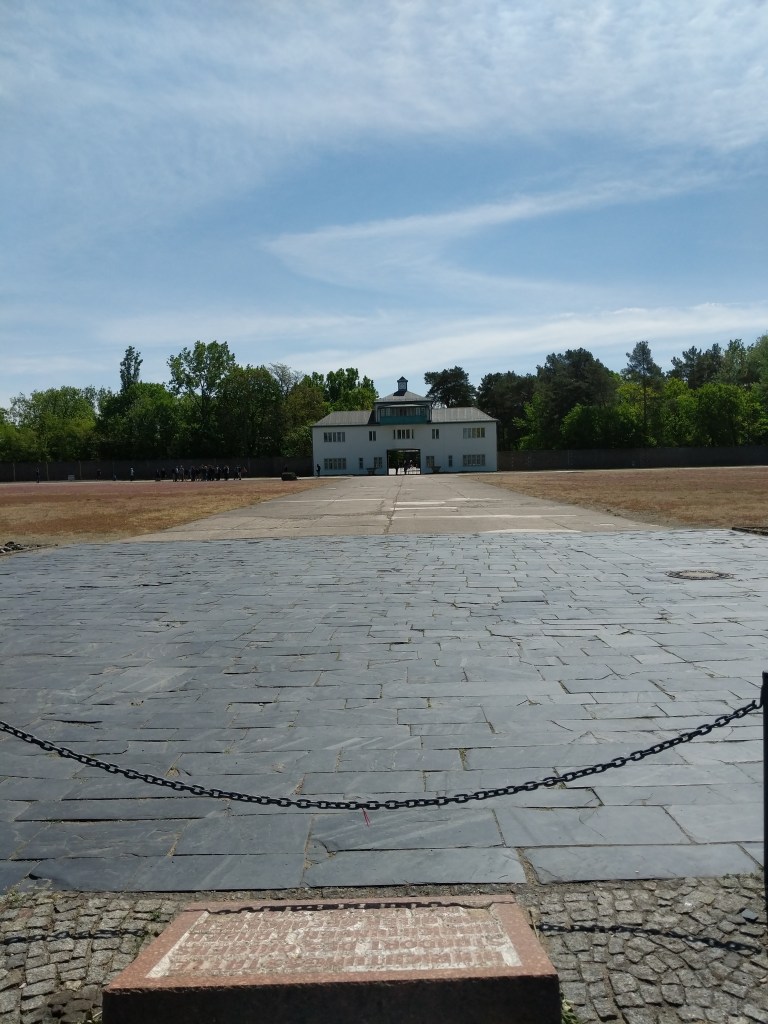
Many of the old barracks no longer exist, but the locations are marked, so we can still imagine what this vast empty plain must have been like. Long low barracks with crowded interiors. Some of the barracks have been preserved/ renovated.
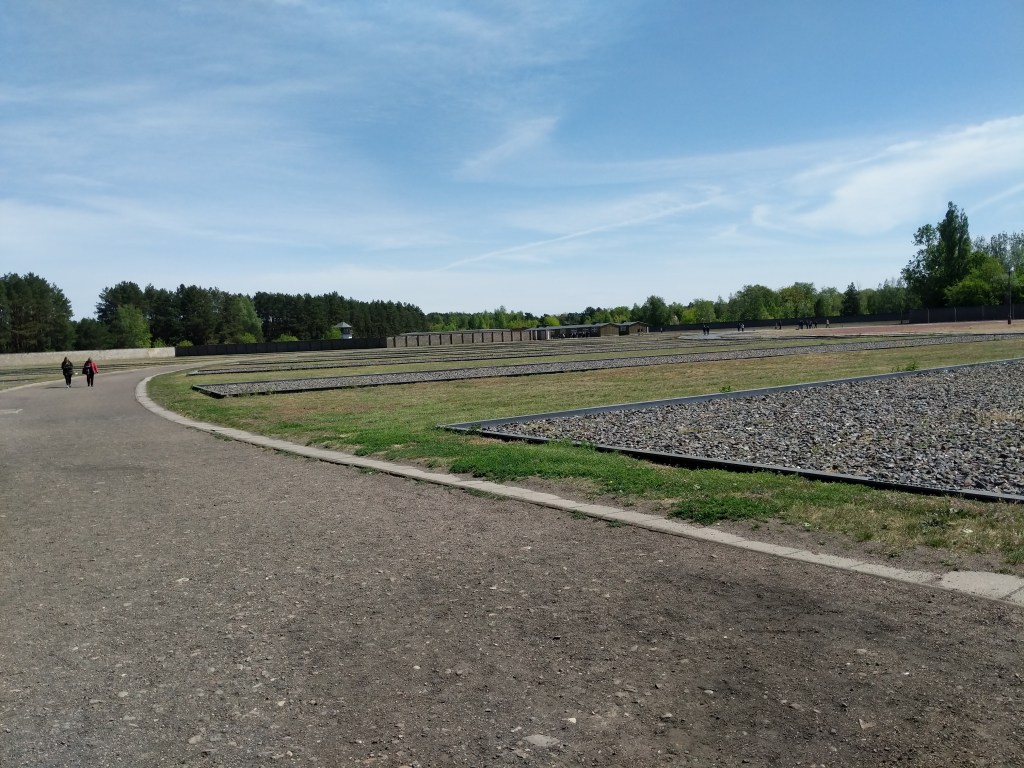
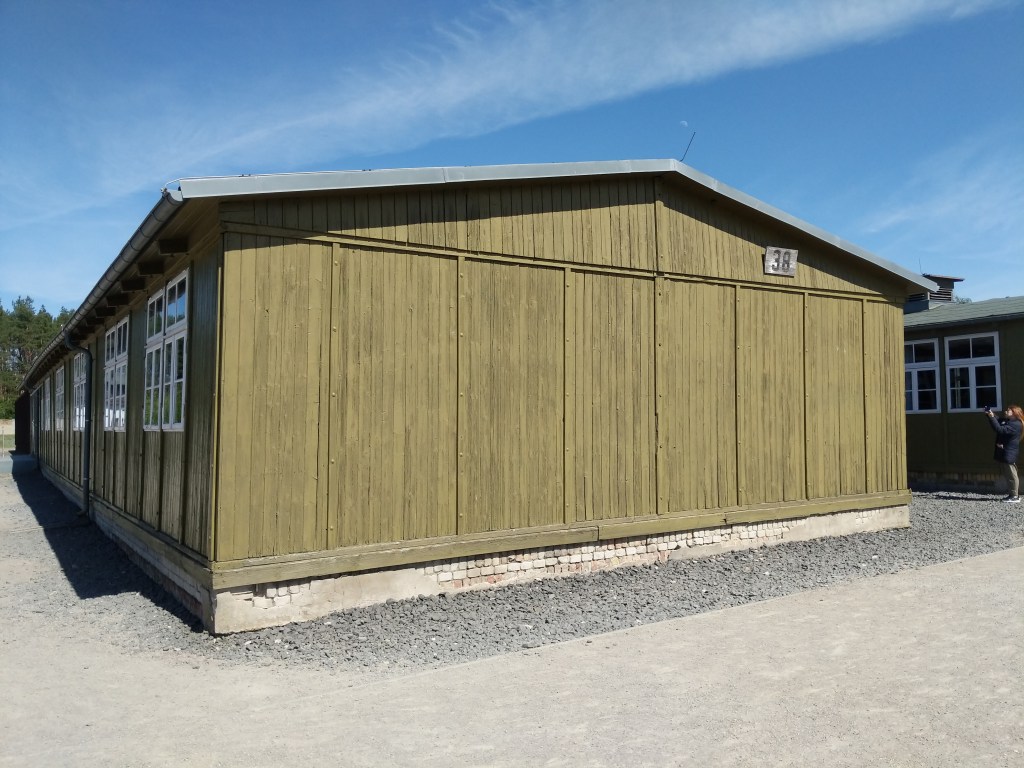
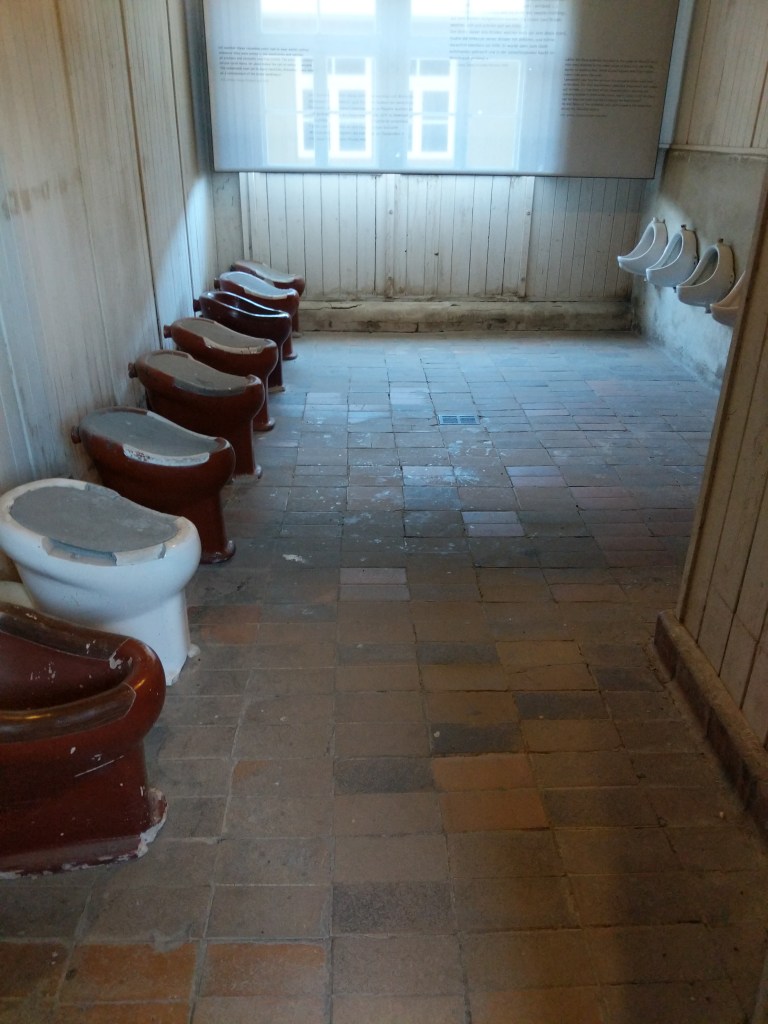
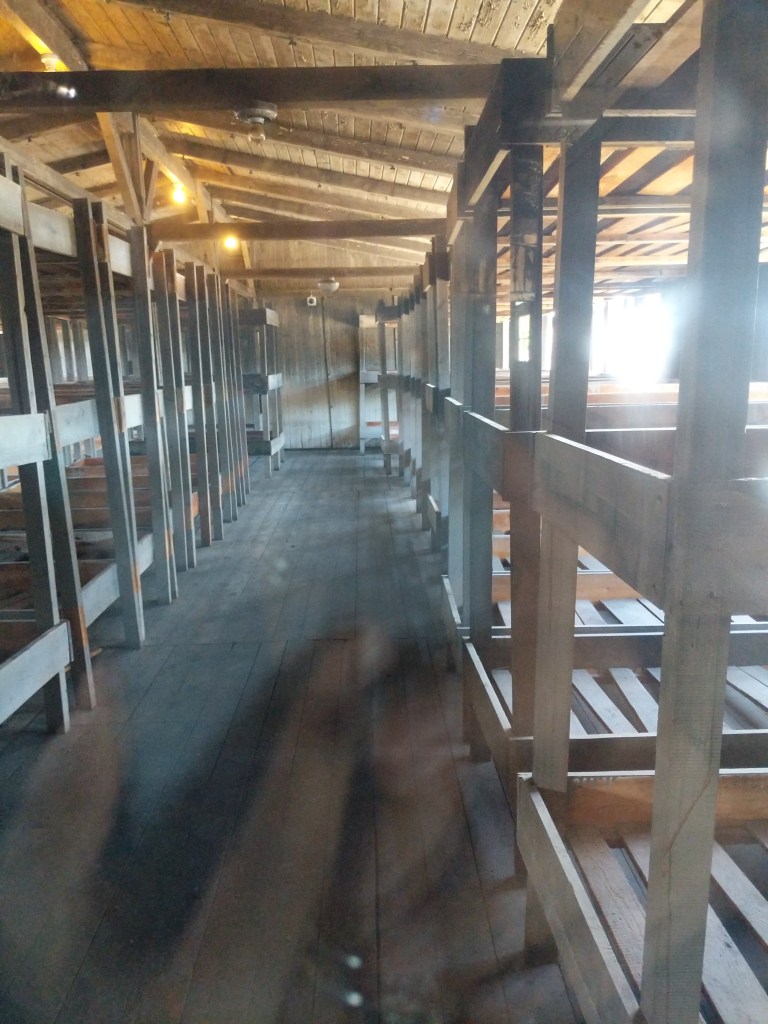
Men and women died here! I walked all around the camp and realised how big it was, the outer left edge had the horrific crematorium and according to my audio guide, human ash could still exist beneath the ground. My god…how many people died for ashes to have accumulated?
How can we be so cruel? The concentration camps were the product of the Nazis, but every human being is capable of being perverted into such masters of death. We have always been capable of infinite cruelty, madness and violence, and the concentration camp was just another reminder of this sad trait of humans. Infact, I could not take it any more. I sat along the distant perimeter wall, on a bench which was windswept and looked back at the camp…and cried.
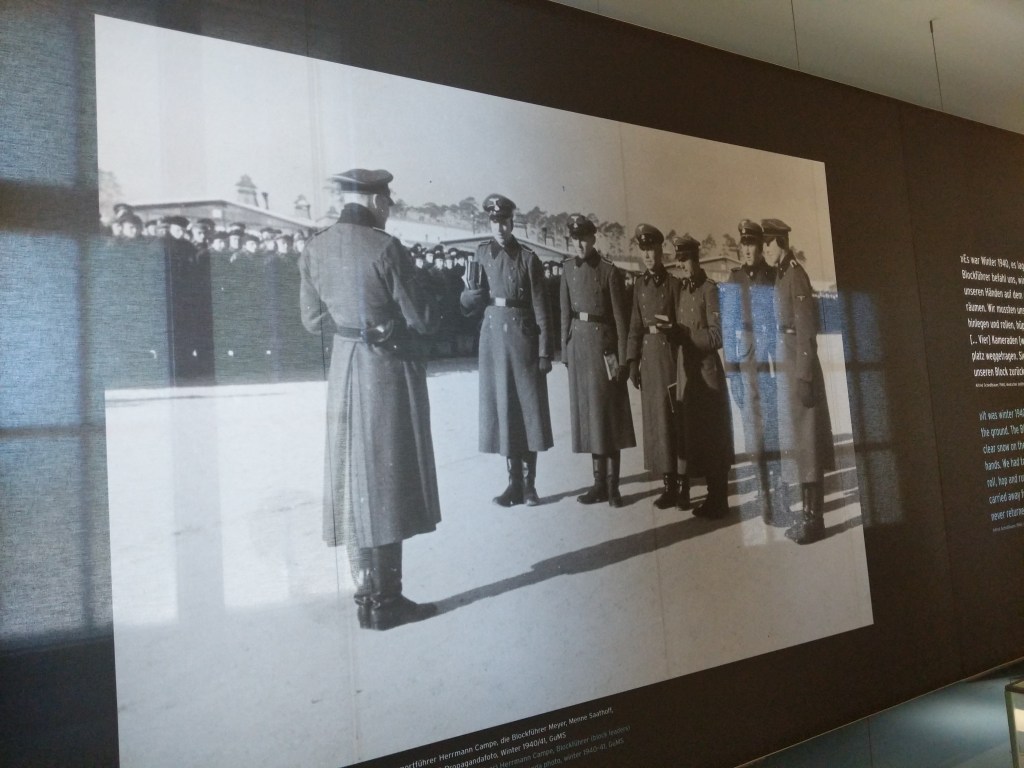
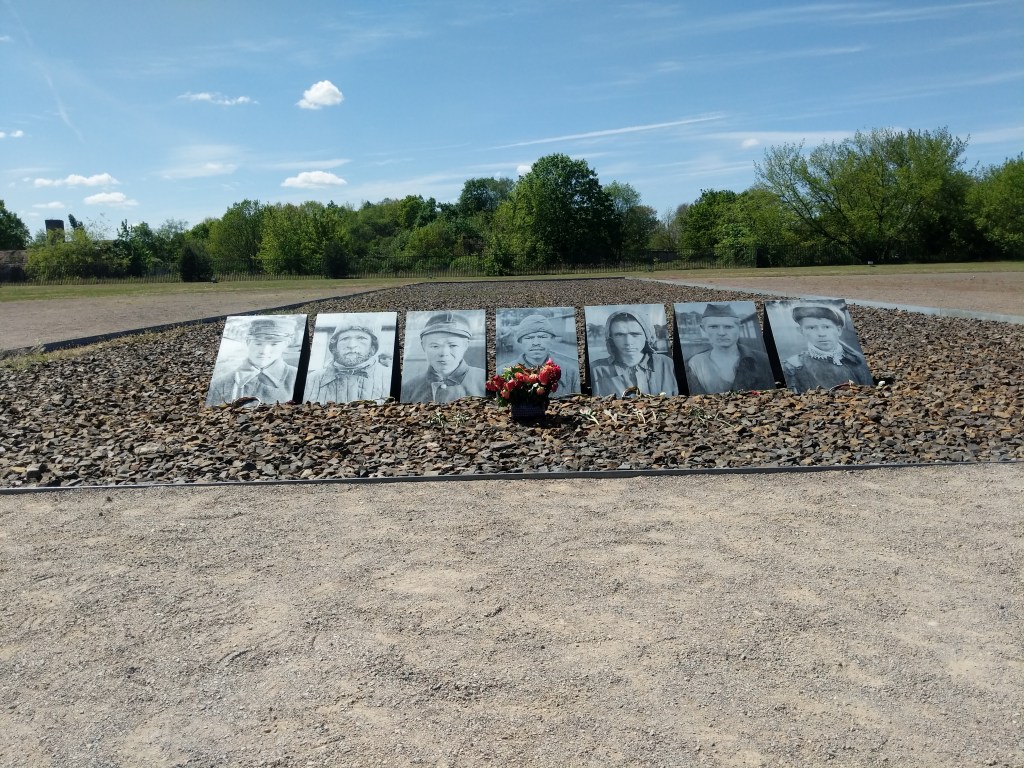
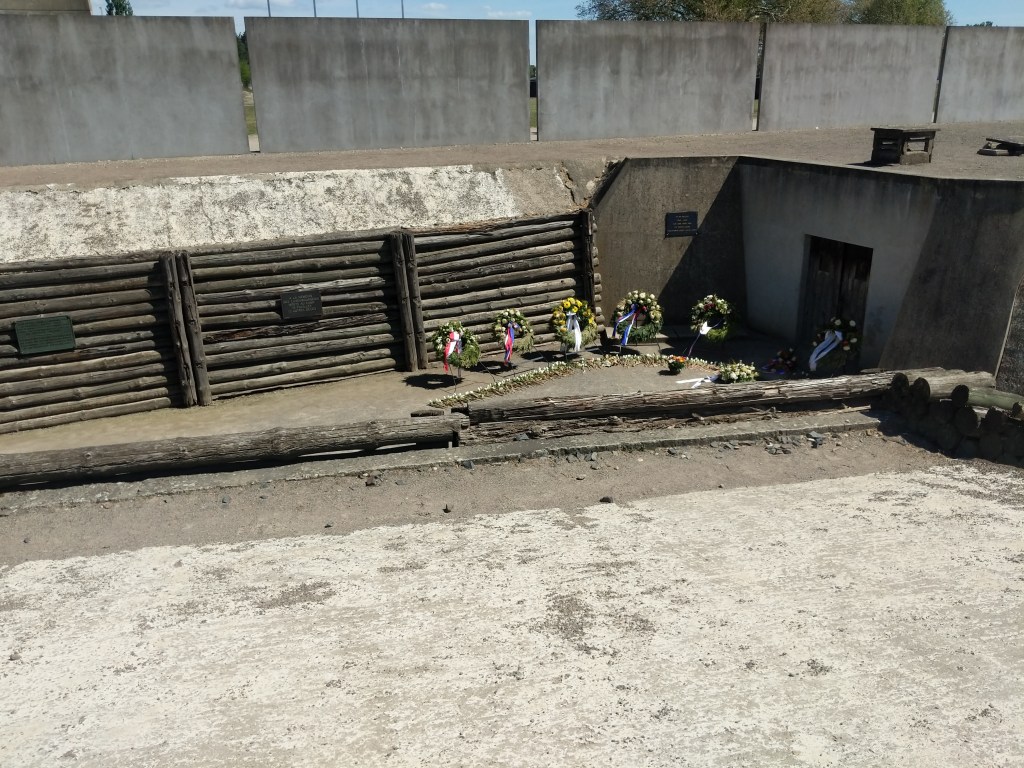
and i know one thing more, that the Europe of the future cannot exist without commemorating all those, regardless of their nationality, who were killed at that time with complete contempt and hate, who were tortured to death, starved, gassed, incinerated and hanged
Andrzej Szczypiorski
It was a difficult place to visit because it can be so depressing, but if we cannot confront the ugliness in us, then we will never be free.

 My Little Travel Diary