I am so glad that I decided to add a Potsdam leg to the Berlin trip. I signed up on the Sandeman Tour which was taken by the sweetest guide ever- Georgina was a Scot studying history in Germany, and I always love meeting people who have dedicated their lives to their passion! Berlin is a city that encourages young people to be really dedicated to their passion, it’s quite unlike India where for whatever reasons (well OK…resource pressure! simple economics!) the young are taught to only think about commercial ventures, or enterprises that pay off in cold, hard cash. Anyhow, coming back to Potsdam, the city of emperors.
Potsdam is within the larger-Berlin area, easily accessible on the U-bahn. You only need to get an ABC ticket that allows you to travel in this “Zone C”,and you are set.
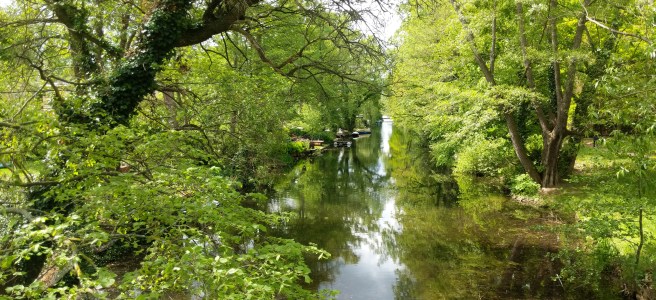
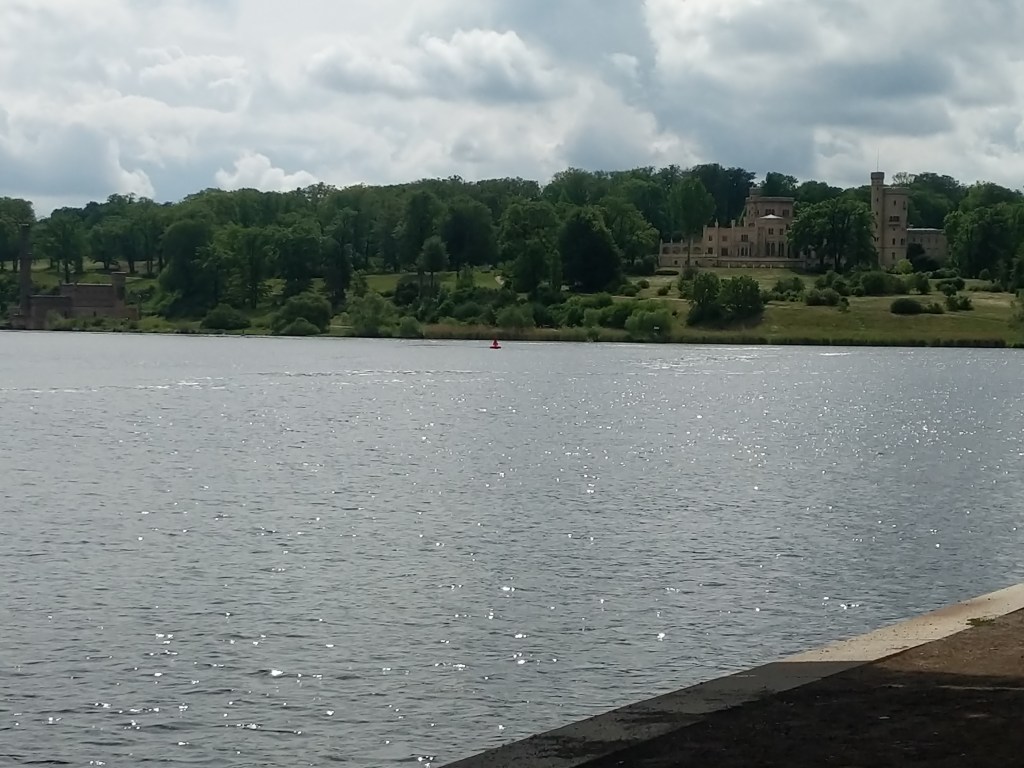
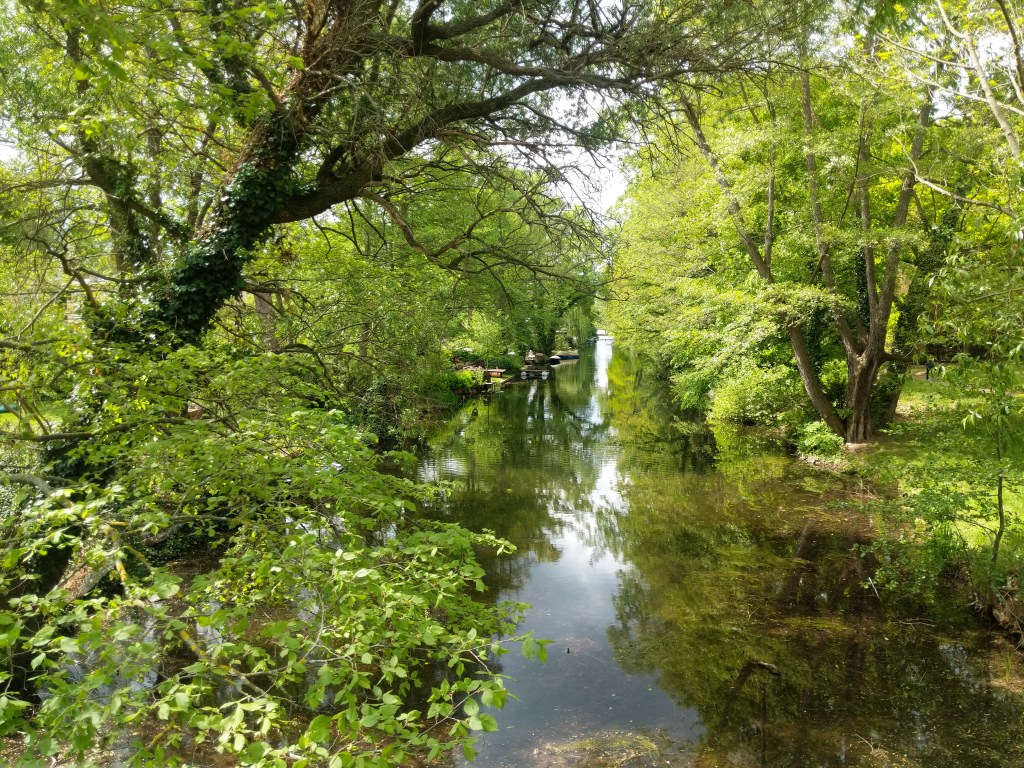
Potsdam was the place where Prussian emperors and the aristocracy lived and played. It’s an enormously beautiful place, wooded walks and vast calm lakes, on the shores of which you can see fairy-tale castles. Every time I look at these photographs I think of the privileged men and women of the Prussian court who once frolicked here. They would have been immensely rich & powerful for their times, living away from the peasantry, surrounded by beauty. It’s truly like walking into a painting, like visualising the vast estates of Tolstoyian aristocrats, a beautiful dream-like state.
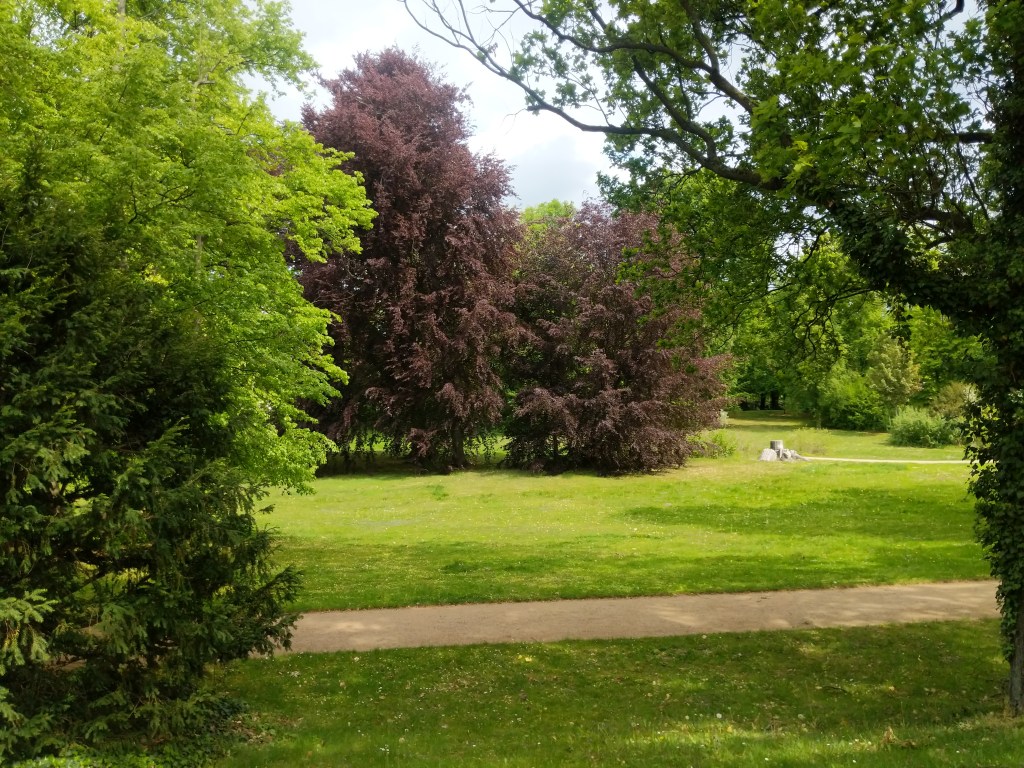
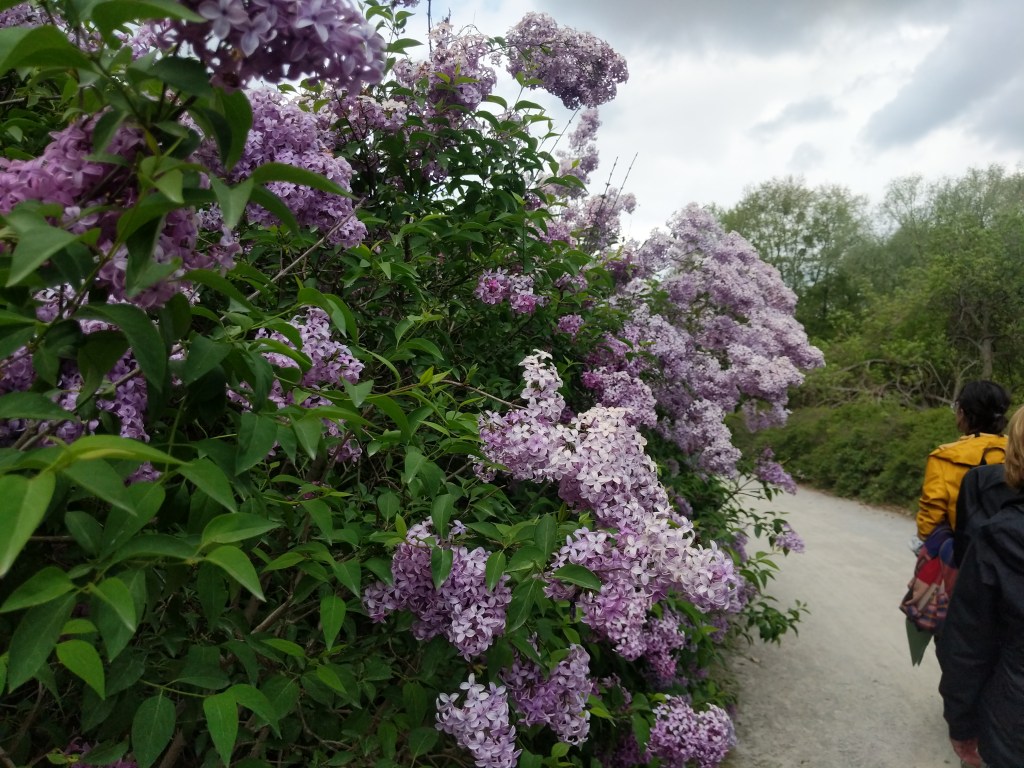
I can’t remember the name of the landscape artist who designed the parks we walked through, I am quite sure Georgina told us, but I do remember her telling us that he purposely designed the parkways to look untamed. In reality, he was guiding the visitor through every vista. One can literally stop and see a perfectly framed landscape, utterly delicious, Germanic precision with French abandon!
When I saw that enormous bush of chrysanthemums, I was reminded of Darjeeling. The flowers grow wild in the hill-town, but are sadly neglected. Like everything once-beautiful, we have just let things go to waste. It’s the curse of India, the fact that we entrust crown jewels in the hands of veritable carpet-baggers, like watching an exotic beauty crumble in old age.
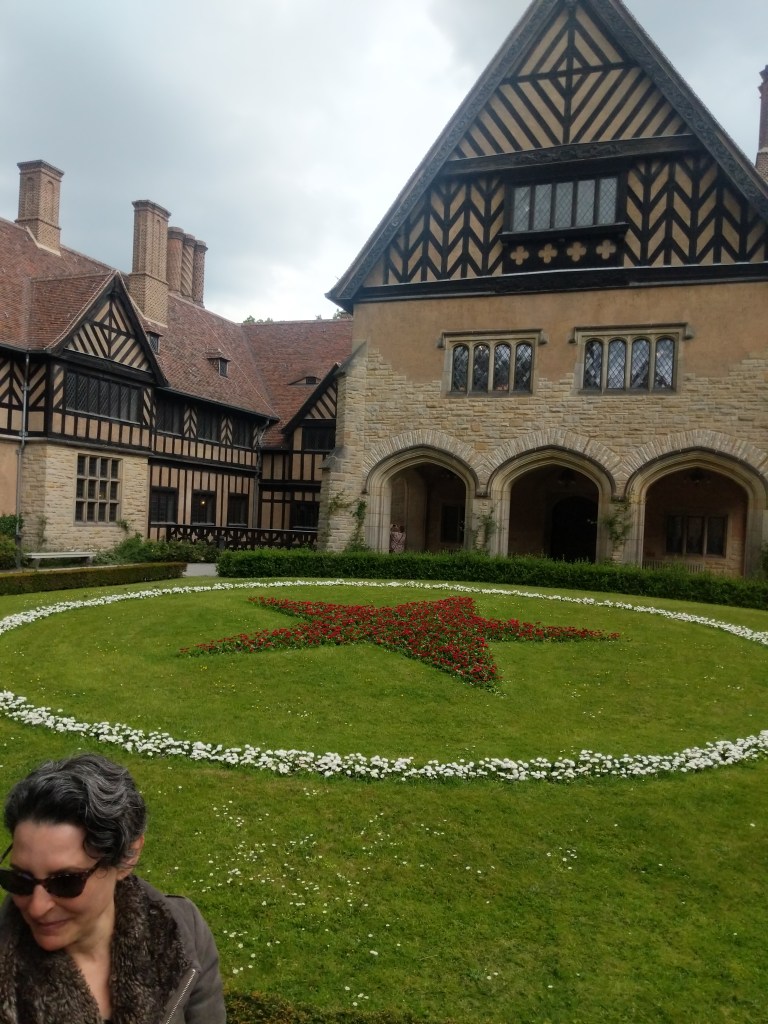
Only when we reached Cecilienhof did I realise that this unassuming place was the site of the historic Potsdam Conference. That explained the communist star dominating the entrance! Sometimes when I encounter historic sites I feel a sense of disorientation- at how the world changes, how we are just a passing breeze, how we age, how we will all die…a little shudder always passes through me. And then I think about how little time we have, and how we must never waste the opportunities we have, or take in the beauty around us.
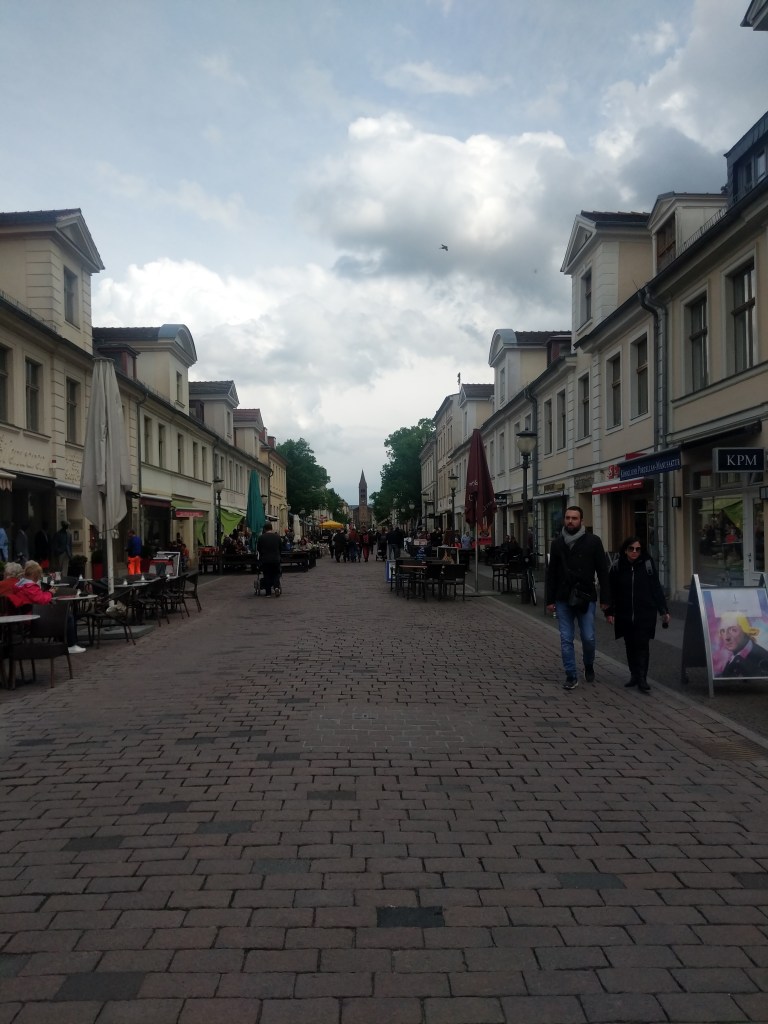
Nearer lunch, the tour took us through the centre of town. Our guide showed us a cafe where dissenting artists during the cold war used to meet, and again that blew my mind. Humanity has always had tyranny, undoubtedly the one we see in India today is just the beginning of a few years of darkness. However, there are always these little forces of rebellion bubbling far beneath the surface. Tyranny has never succeeded in completely crushing the human spirit, perhaps it crushes the individual, but never the spirit. Every new generation is an act of rebellion I think, and one day, they will remember us yet.

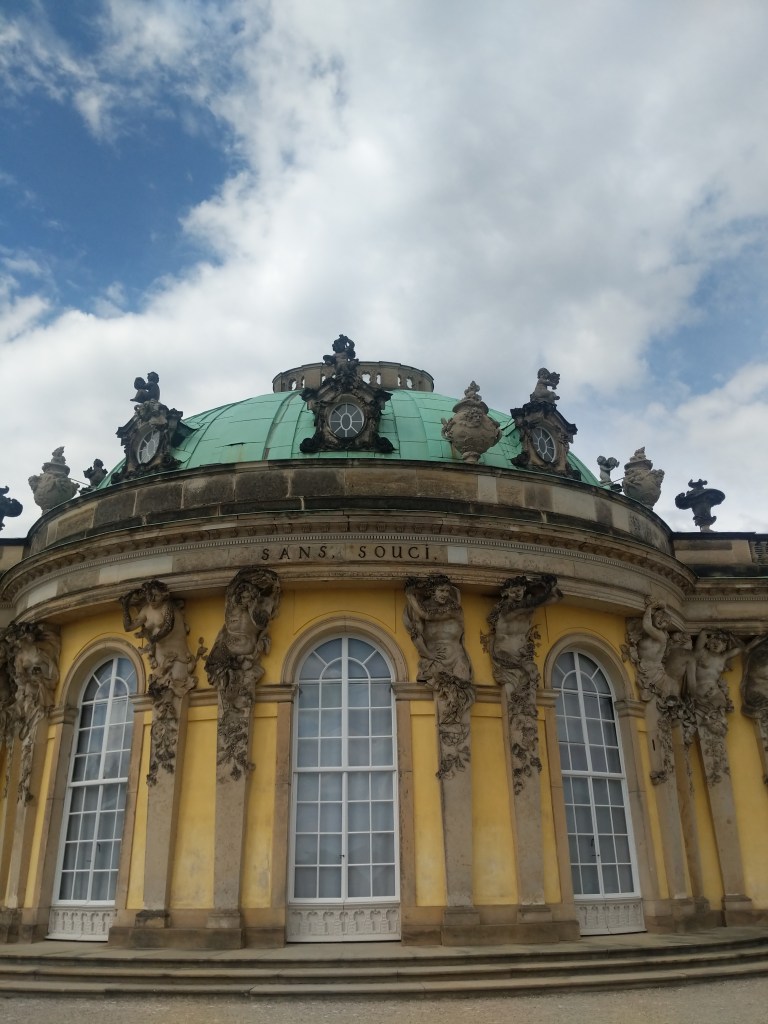
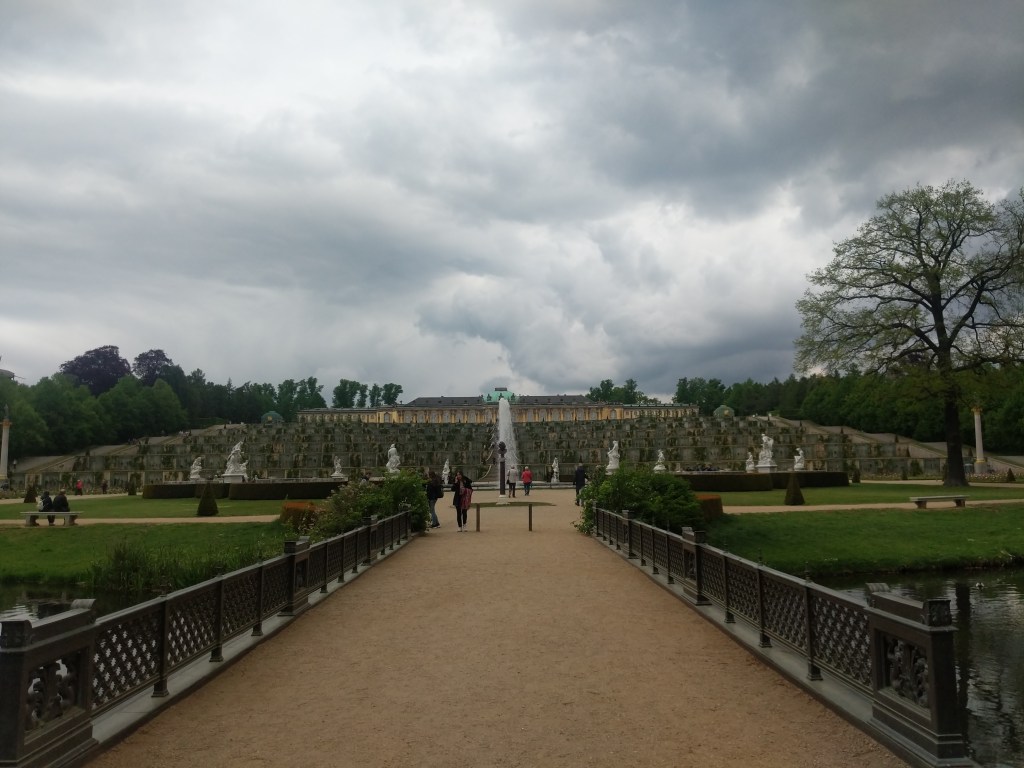
After lunch we made our way towards Sans Souci, the beautiful palace of Frederick the Great. Georgina did a great job of walking us through the many Fredericks (or more precisely Friedrichs) in Prussian history, and after her tale of Frederick the Great, I was completely enthralled by this emperor. European history for me is largely through an Anglo-Saxon post-colonial cultural filter. Perhaps he was fleetingly mentioned when we read a bit about Bismarck in school. I think what touched me most was the story of his teenage crush (?) and subsequent escape with his tutor. Frederick’s father (also a Frederick) was a tough man who didn’t like the softer side of life, and when his prodigal son was brought back, Frederick Sr. had the tutor executed while the son watched. Ironically, Frederick Jr. saw more military action than his father ever did, expanding and strengthening the Prussian empire; however his heart was still artistic. At any moment he could, he used to escape into the beauty of Potsdam and to his palace that he called…Sans Souci, in French “without a care“.
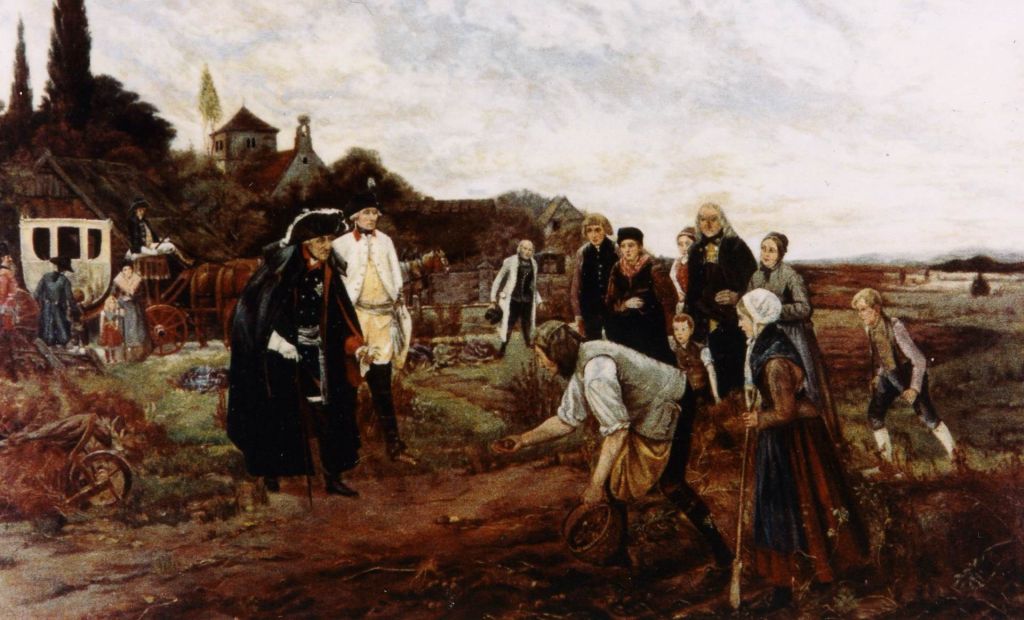
I also found out that the old emperor was often called the “Potato King”. Apparently he was the one who introduced the very important tuber into German diet. When he initially faced inertia from the farmers to take up planting this strange vegetable from South America, the emperor came upon a plan. He pretended that this was a super secret project that only the emperor could plant, and had guards watching over the fields every day. But in the night, he made sure that the security was much more lax. In a classic case of behavioural nudging, he got the peasants to be really interested in this strange spud, and so after a couple of midnight pilfering the peasants began to take to potato.
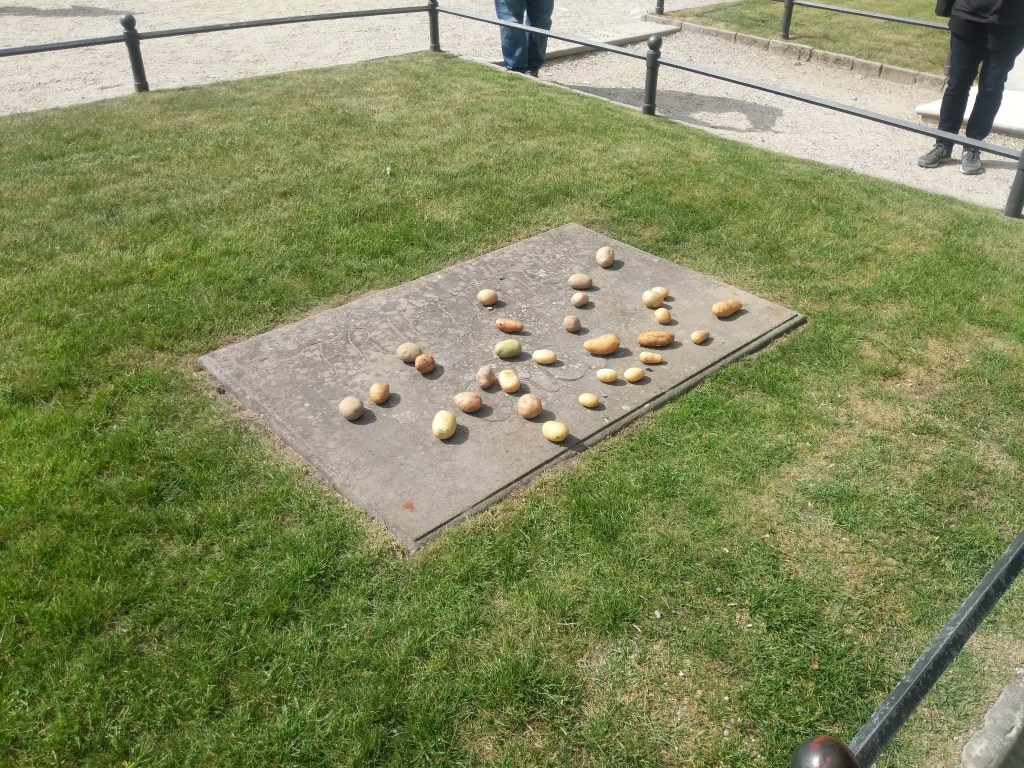
The tour ended on a sweet note after I asked the guide about the seven or so slabs of stone, and the potatoes strewn one of those. This was Frederick the Great’s grave, here lay the great Prussia, surrounded by the graves of his favourite dogs. The potatoes were what people brought when they visited the Potato King. I must recommend you to take some too, and please take one from me, because I didn’t know about this custom until too late.
 My Little Travel Diary